Aging gracefully is a goal for many, but keeping up with home repairs can feel like a never-ending game of whack-a-mole. Just when you fix one thing, another pops up to say, “Surprise!” Luckily, there’s good news. Free grants for seniors looking to spruce up their homes are available, making those pesky repairs less of a headache and more of a happy update.
Understanding Free Grants For Seniors Home Repairs
Free grants for seniors help alleviate financial burdens associated with home repairs. These grants improve safety and comfort, ensuring seniors maintain secure living conditions.
Definition and Purpose
Free grants for seniors home repairs offer financial assistance specifically for home maintenance projects. The primary purpose is to support low-income seniors who lack the resources for repairs. They can cover various expenses, such as roof replacements, plumbing issues, and accessibility modifications. Many grants require no repayment, making them a viable option for those who qualify. Understanding eligibility is crucial, as different programs target specific needs based on income levels, age, and home ownership status.
Importance of Home Repairs for Seniors
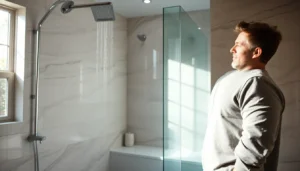
Home repairs play an essential role in senior well-being. Proper maintenance prevents accidents, such as falls caused by faulty flooring or inadequate lighting. Additionally, functional appliances and systems contribute to a comfortable living environment, improving overall quality of life. Investing in home repairs reduces stress and enhances safety, allowing seniors to age in place. Accessibility features, including ramps and grab bars, further promote independence, ensuring that seniors can navigate their homes securely. Addressing these repairs not only contributes to physical health but also fosters emotional stability, giving seniors peace of mind.
Types of Free Grants Available
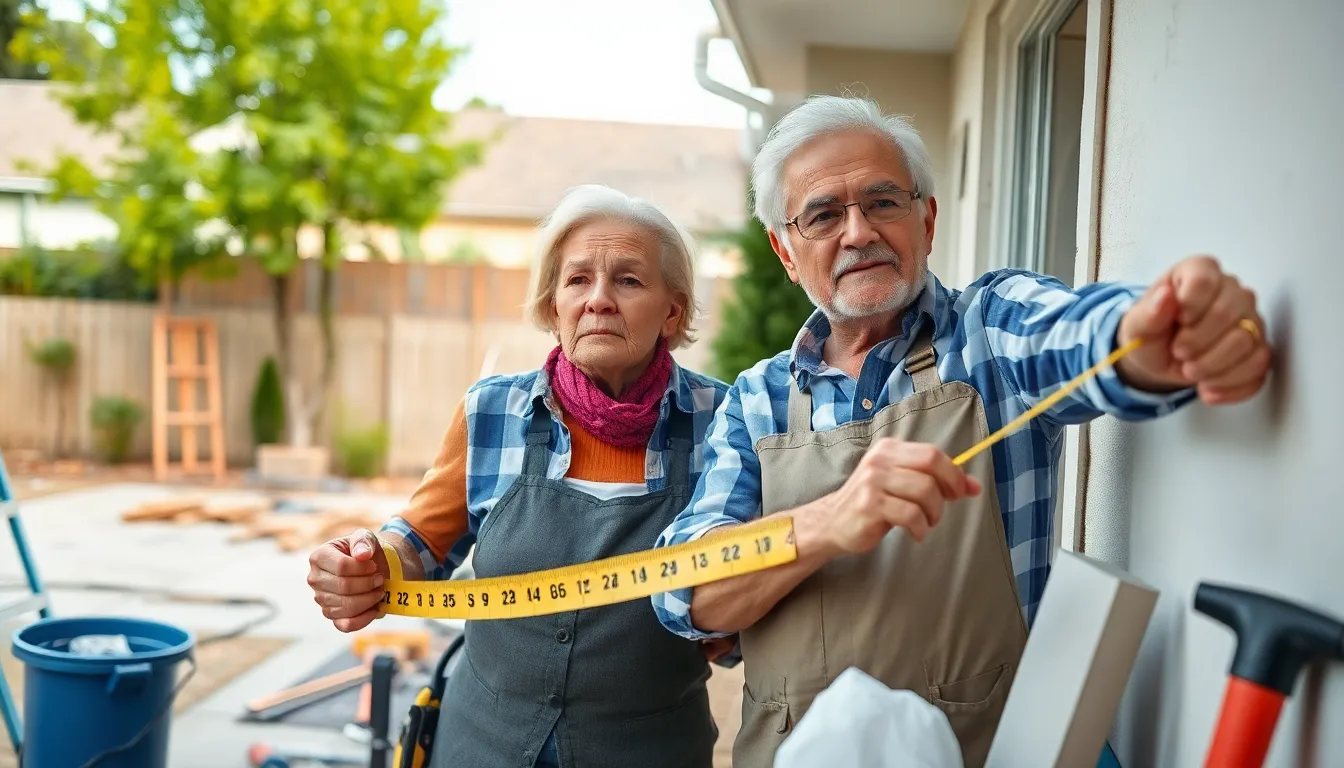
Various types of free grants can support seniors with home repairs. These grants vary by funding source and eligibility criteria, allowing seniors to find options that best suit their needs.
Government Grants
Government grants often provide significant financial assistance for home repair projects. Programs include the U.S. Department of Agriculture’s Rural Repair and Rehabilitation program, which focuses on low-income seniors in rural areas. The U.S. Department of Housing and Urban Development (HUD) also offers several grants, like the HOME Investment Partnerships Program, designed to aid low-income households with essential repairs. Qualifications typically depend on income level and location. Additionally, some states have specific grants aimed at improving accessibility and safety in homes for seniors.
Non-Profit Organization Grants
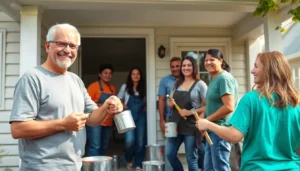
Non-profit organizations also offer grants targeting home repairs for seniors. Organizations such as Rebuilding Together provide assistance with home modifications and repairs to enhance safety. Habitat for Humanity assists seniors in need by mobilizing volunteers for repairs. Grants from local churches and community foundations may also be available, focusing on providing essential home maintenance services. While programs differ in scope and availability, they commonly prioritize seniors with low income or special needs, ensuring that financial barriers don’t prevent necessary repairs.
Eligibility Criteria
Understanding the eligibility criteria for free grants helps seniors access essential home repair assistance. Various requirements apply, making it crucial for seniors to be aware of what is needed.
Age Requirements
Most programs specify that applicants must be at least 62 years old. Some grants may allow younger seniors to apply if they have disabilities. Programs targeting low-income households often prioritize older individuals, recognizing their unique needs for housing assistance.
Income Limitations
Income limitations usually consider the area median income (AMI). Grants often target individuals whose income is 50% or less of the AMI. Some programs also set a maximum income threshold, ensuring support reaches those experiencing financial hardship. Verifying income through documentation aids in qualifying for assistance.
Home Ownership Status
Homeownership status plays a significant role in eligibility. Grants typically require applicants to own their homes rather than rent. Certain programs accommodate seniors living in manufactured or mobile homes, broadening access to assistance. Proper documentation proving ownership remains essential for eligibility verification.
How to Apply for Free Grants
Applying for free grants for home repairs involves understanding specific requirements and navigating the process efficiently. Seniors can access various resources, making the financial assistance accessible.
Required Documentation
Proper documentation is essential for applying successfully. Applicants need proof of income, such as pay stubs or tax returns, to verify eligibility. Owners of the home should provide documentation showing ownership, such as a deed or mortgage statement. Identification, like a driver’s license or state ID, confirms age and identity. Gathering these documents ahead of time simplifies the application process and ensures all necessary information is ready for submission.
Application Process
Navigating the application process typically involves several steps. First, seniors must determine the grant programs they are eligible for based on their location and circumstances. After identifying suitable grants, applicants fill out the required forms, which are often available online or through local agencies. Submitting the application includes attaching all required documentation and meeting any submission deadlines. Following up with the organization may provide updates on the application status, ensuring that applicants stay informed throughout the process.
Tips for a Successful Application
Success in securing a grant relies on attention to detail. Reading the guidelines thoroughly while ensuring all eligibility criteria are met creates a strong foundation. Completing the application accurately and providing clear information helps to avoid delays. Including personal stories about the need for repairs enhances the application’s impact, making it more compelling to the reviewers. Finally, submitting the application well before the deadline allows time for corrections or follow-ups, increasing the chances of approval.
Examples of Free Grants for Seniors Home Repairs
Seniors can access various free grants that provide financial support for vital home repairs. Programs often focus on enhancing safety and comfort in their homes.
Specific Programs and Their Benefits
The U.S. Department of Agriculture’s Rural Repair and Rehabilitation program offers financial aid specifically for low-income seniors living in rural areas. Grants from the HOME Investment Partnerships Program by HUD assist seniors with extensive home repairs, often covering essential projects like roof replacements and plumbing fixes. Non-profit organizations such as Rebuilding Together provide both funding and skilled volunteers who assist with necessary modifications, emphasizing community support. Habitat for Humanity also offers targeted grants to seniors, focusing on improving living conditions. Each program targets distinct needs, ensuring a tailored approach to address various repair challenges.
Success Stories
Many seniors have transformed their living conditions through these grant programs. One elderly couple received funding from Rebuilding Together to repair their leaking roof, significantly improving their home’s safety. A single senior benefited from the HOME program, which funded essential accessibility modifications, allowing her to navigate her home easily. Stories from these individuals highlight the impact of financial assistance on their daily lives. Improved safety, comfort, and peace of mind emerged as themes in these success narratives, illustrating the importance of such grants for seniors.
Accessing free grants for home repairs can significantly enhance the quality of life for seniors. These financial resources not only alleviate the stress of costly repairs but also empower seniors to maintain safe and comfortable living environments. With various programs available from government agencies and non-profit organizations, seniors can find the support they need to age in place with dignity. By understanding eligibility requirements and navigating the application process effectively, seniors can unlock opportunities that lead to improved safety and well-being. Investing in home repairs is a vital step toward fostering independence and ensuring that seniors can enjoy their golden years in a secure and welcoming home.