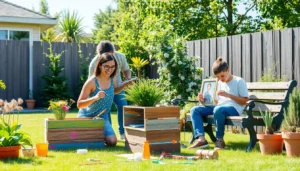
Gardening can feel like a never-ending battle against weeds, pests, and the occasional rogue tomato plant that thinks it can take over the world. But fear not! Quick garden fixes are here to save the day and your sanity. With a little creativity and some clever hacks, anyone can transform their garden from a chaotic jungle into a flourishing paradise faster than you can say “green thumb.”
Quick Garden Fixes for Common Problems
Gardeners often face common issues that require quick and effective solutions. Simple strategies exist for managing weeds and controlling pests, allowing gardens to thrive.
Weeds Management
Identifying weeds early prevents them from taking over garden spaces. Mulching around plants effectively suppresses weed growth and retains soil moisture. Using a hoe or hand weeding regularly ensures that unwanted plants have minimal chances to develop. Applying vinegar or boiling water on stubborn weeds provides a natural way to eliminate them without harsh chemicals. Maintaining healthy soil improves plant resilience, making it easier for desirable plants to outcompete weeds.
Pest Control Solutions
Natural predators play a crucial role in pest management. Introducing ladybugs or lacewings helps control aphids and other garden pests. Applying neem oil serves as an effective deterrent against various insects without harming plants. Setting up barriers like row covers can protect seedlings from potential threats. Regularly inspecting plants for signs of infestation allows for quick intervention. Encouraging biodiversity within the garden attracts beneficial insects and promotes overall health.
Seasonal Quick Fixes
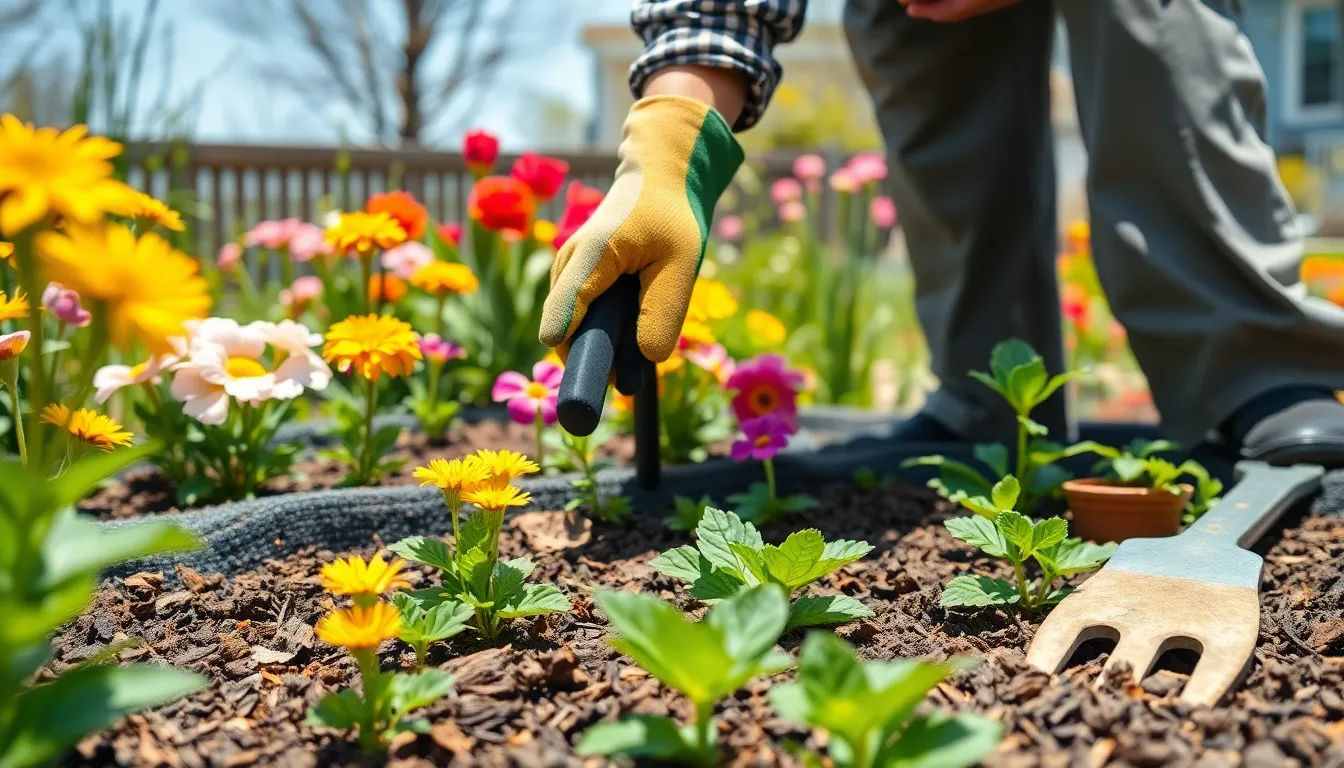
Seasonal adjustments can significantly enhance a garden’s health and appearance. Quick actions during different seasons ensure plants thrive.
Spring Preparations
Spring brings opportunities for renewal. Inspect plants for signs of pests or disease before growth starts. Start by cleaning garden beds to remove debris and weeds. Applying a layer of mulch helps retain moisture and suppress weeds. Fertilizing soil with organic options encourages robust growth. Consider planting companion plants that deter pests or promote growth. Assess existing plants and trim any dead or damaged sections to encourage new growth.
Winter Protection
Winter poses challenges for plants. Wrapping delicate plants with burlap protects them from frost. Applying mulch helps insulate roots against cold temperatures. Moving potted plants indoors avoids freezing temperatures. Ensure that soil is moist before the first frost, preventing desiccation during winter months. Using row covers provides additional warmth for vulnerable crops. Regularly check plants in winter for signs of damage, allowing prompt responses to any issues.
Quick Fixes for Garden Design
Creative garden designs can transform outdoor spaces. Quick changes in layout, materials, or plant choices yield significant improvement.
Container Garden Ideas
Container gardens offer flexible options for small spaces. Use various sizes and shapes of containers to create visual interest. Select plants based on light conditions, with options like herbs for sunny spots or ferns for shaded areas. Combine colors and textures for dynamic arrangements. Integrate self-watering containers to simplify maintenance. Placement is key—arranging containers at different heights can draw the eye. Group containers together for a cohesive look while maximizing limited space.
Vertical Gardening Techniques
Vertical gardening maximizes space through clever arrangements. Wall planters or trellises support climbing plants like peas and cucumbers. Use modular systems to allow for easy adjustments and rearrangements. Select various plants to create a lush, layered effect. Integrate decorative elements such as artwork or mirrors to enhance aesthetics. Vertical spaces sometimes require less water due to increased air circulation. Positioning vertical gardens against walls can provide extra insulation for plants.
Maintenance Tips for a Healthy Garden
Maintaining a healthy garden requires consistent effort and attention. Regularly checking plants for pests and diseases prevents infestations and promotes growth. Inspect leaves for discoloration or unusual spots, as these indicate potential issues.
Using mulch provides a shield against weeds while retaining soil moisture. Organic options, such as wood chips or straw, enrich the soil as they decompose.
Fertilizing with organic options enhances soil nutrients, sustaining plant health. Options such as compost or aged manure offer balanced nutrition without harmful chemicals.
Encouraging biodiversity attracts beneficial insects and wildlife. Planting a variety of species creates a balanced ecosystem, leading to natural pest control.
Trimming dead or damaged sections maintains plant vitality. By removing unhealthy growth, gardeners promote healthier new shoots and flowers.
Watering schedules impact overall garden health. Early morning watering reduces evaporation and gives plants a steady supply of moisture throughout the day.
Incorporating crop rotation prevents soil depletion and reduces pests and diseases. Switching plant families each season keeps soil nutrients balanced and creates a thriving garden environment.
Regularly cleaning garden tools ensures the prevention of disease transmission. Cleaning reduces the risk of cross-contamination between plants and promotes healthier gardening practices.
Applying row covers offers protection from harsh weather conditions. These covers create a microclimate that supports growth and shields plants from extreme temperatures.
Monitoring soil moisture levels optimizes watering efforts. Using a moisture meter provides precise readings, allowing timely watering based on the actual needs of the plants.
Quick garden fixes can transform any outdoor space into a vibrant and healthy environment. By implementing simple strategies for weed management and pest control, gardeners can tackle common challenges effectively. Seasonal adjustments and creative design changes further enhance the garden’s beauty and functionality.
Consistent maintenance and regular inspections ensure that plants thrive throughout the year. Embracing these quick fixes not only saves time but also fosters a deeper connection with nature. With a little effort and creativity, anyone can cultivate a flourishing garden that brings joy and satisfaction.