Mold’s like that uninvited guest who just won’t leave the party. It creeps into homes, setting up camp in damp corners and turning your living space into a science experiment gone wrong. Not only does it ruin your decor, but it can also wreak havoc on your health. So, what’s the plan? It’s time to kick that mold to the curb!
Understanding Mold And Its Impact
Mold poses significant challenges in homes, thriving in damp areas and negatively affecting aesthetics and health. Recognizing its forms and associated risks enhances understanding and supports effective removal strategies.
Types Of Mold
Common types of mold include Aspergillus, Cladosporium, Penicillium, and Stachybotrys, often referred to as black mold. Aspergillus grows on various surfaces, including walls and textiles. Cladosporium prefers cooler surfaces like fabrics and wood. Penicillium appears in areas with water damage, often seen on decaying organic matter. Stachybotrys releases mycotoxins, posing higher health hazards. Each mold type requires targeted removal approaches to ensure effective eradication.
Health Risks Associated With Mold
Mold exposure leads to numerous health issues. Allergies manifest as respiratory problems, skin irritation, or headaches. Individuals with asthma may experience exacerbated symptoms, including wheezing and shortness of breath. Certain molds, like Stachybotrys, may cause more severe reactions, including immune system suppression. Chronic exposure can result in long-term respiratory complications or neurological effects. Awareness of these risks emphasizes the urgency of prompt mold removal.
Mold Removal Process
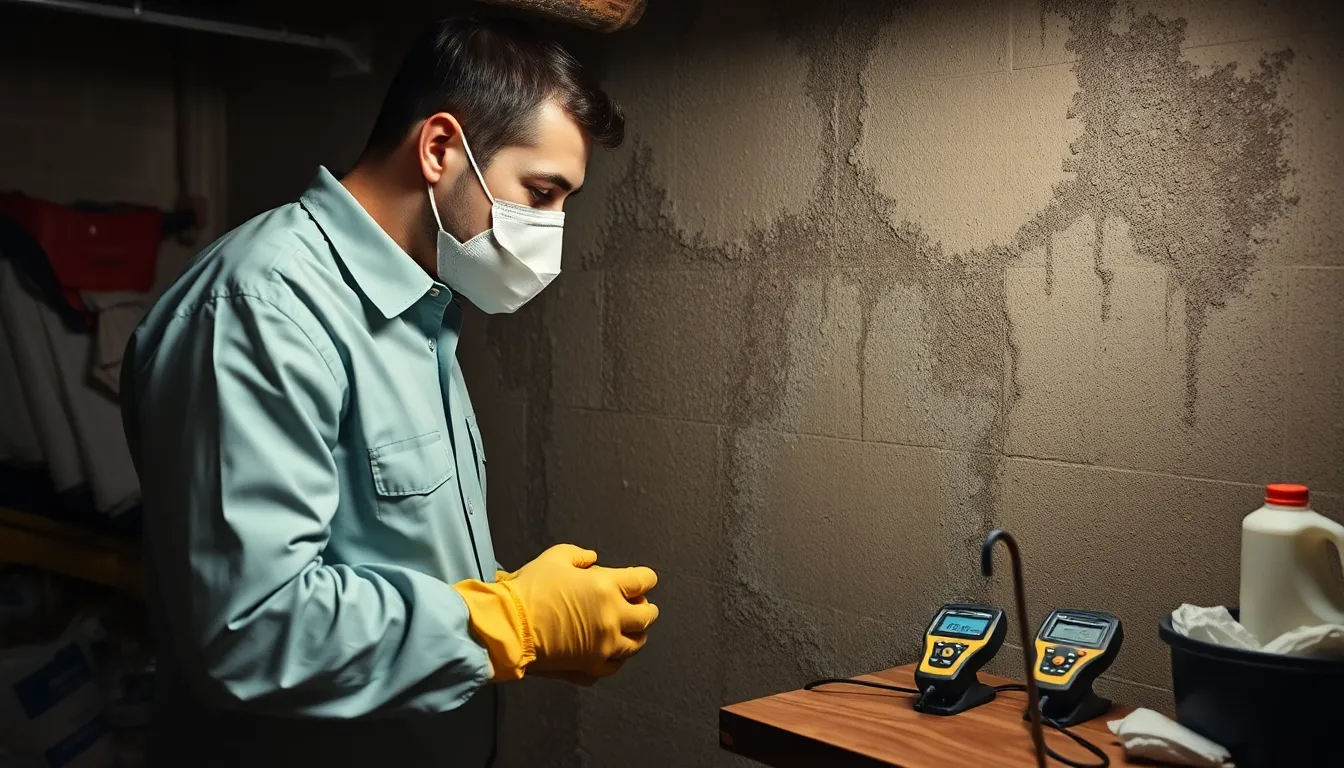
Mold removal involves a systematic approach to eliminate mold from affected areas. Addressing mold quickly ensures a safer environment and protects health.
Assessment Of The Mold Problem
Evaluating the extent of the mold problem is crucial. Inspect all areas prone to moisture, especially basements and bathrooms. Identify visible mold and potential hidden mold beneath surfaces. Utilize moisture meters for precise readings. Document findings to inform the next steps in the removal process. Addressing the root cause of moisture leads to effective mold prevention.
DIY Mold Removal Solutions
Individuals often attempt DIY methods for mold removal. Mixing water and mild detergent creates an effective solution for small areas. For tougher molds, a blend of water and vinegar works well. Scrubbing affected surfaces with a brush removes visible mold. Ensure adequate ventilation during the cleaning process for safety. After removal, maintain low humidity levels to discourage mold regrowth.
Professional Mold Removal Services
Engaging professional mold removal services provides expert assessment and remediation techniques. Trained technicians conduct thorough inspections and use specialized equipment. They apply antimicrobial treatments for comprehensive mold eradication. Professional services also include post-removal testing to ensure mold-free environments. Choosing certified professionals guarantees adherence to safety standards and long-term solutions.
Prevention Techniques
Mold prevention relies heavily on controlling environmental factors and maintaining proper home upkeep. Implementing effective strategies can significantly reduce the risk of mold growth.
Controlling Humidity Levels
Monitoring humidity is crucial for mold prevention. Keeping humidity levels below 60% minimizes the chance for mold to thrive. Using dehumidifiers in damp areas, such as basements and bathrooms, promotes a drier environment. Ventilation plays a key role; ensuring spaces allow for air circulation decreases moisture retention. Regularly checking for water leaks also contributes to control, as even small leaks can lead to significant mold problems.
Regular Maintenance Tips
Regular home maintenance prevents mold-related issues. Inspecting roofs, gutters, and plumbing for any signs of damage ensures that water doesn’t accumulate. Cleaning and replacing air filters in HVAC systems regularly enhances air quality and reduces moisture. Additionally, using mold-resistant paint in high-moisture areas can add an extra barrier against growth. Routine checks in attics and crawl spaces help identify potential problems early, allowing for prompt action.
Choosing The Right Mold Removal Products
Selecting effective mold removal products is vital for successful remediation. A variety of options exist, ranging from natural solutions to chemical agents.
Natural Mold Removal Solutions
Many homeowners prefer natural mold removal solutions due to their safety and environmental benefits. Common ingredients like vinegar, baking soda, and tea tree oil demonstrate efficacy against mold. Vinegar effectively tackles mold on non-porous surfaces like tiles and glass. Baking soda, when mixed with water, creates a paste ideal for scrubbing affected areas. Tea tree oil, though more expensive, boasts strong antifungal properties, making it a potent choice for mold prevention. Utilizing these options helps maintain indoor air quality while addressing mold concerns effectively.
Chemical Mold Removers
Chemical mold removers provide powerful alternatives for severe infestations. Commercial products often contain active ingredients such as bleach, hydrogen peroxide, or quat compounds. Bleach rapidly disinfects surfaces but doesn’t penetrate porous materials, limiting its use. Hydrogen peroxide, on the other hand, offers similar disinfecting qualities and penetrates deeper into surfaces. Quat compounds function as surface disinfectants and also inhibit future growth. Selecting the right chemical product involves evaluating mold types and application areas for maximum effectiveness. Always follow manufacturer instructions for safe use and optimal results.
Mold removal is essential for maintaining a healthy living environment. By understanding the types of mold and their associated risks, homeowners can take proactive steps to address infestations effectively. Whether opting for DIY methods or hiring professionals, tackling mold promptly is crucial to safeguard both health and property.
Preventing future mold growth involves consistent monitoring of humidity levels and regular maintenance around the home. Utilizing natural solutions or appropriate chemical products can aid in effective remediation. With the right approach and knowledge, it’s possible to ensure a mold-free home for years to come.