Transforming a room doesn’t always require a sledgehammer and a weekend of chaos. Sometimes, all it takes is a splash of color or a bold pattern to create an accent wall that steals the show. Imagine walking into a space where one wall whispers, “Look at me!” while the others play a quiet supporting role. That’s the magic of accent wall designs.
Overview Of Accent Wall Designs
Accent wall designs enhance a room’s aesthetics and create an engaging atmosphere. Various methods exist to implement accent walls, including the use of bold colors, textured materials, and innovative patterns. Each option offers unique ways to draw attention and create visual interest.
Paint serves as one of the most common choices for an accent wall. One solid color or a significant hue can transform a plain room into an inviting space. Specifically, contrasting shades provide a dramatic effect and highlight architectural features.
Wallpaper stands out as another popular option for accent walls. Designers often choose wallpapers with intricate patterns or textures to create depth. Geometric designs, floral motifs, or textured finishes add character and personality to any room.
Wood paneling creates a warm, rustic feel. Various wood species and finishes, like reclaimed or painted wood, offer flexibility in design. The natural tones of wood can complement modern furnishings or enhance traditional decor.
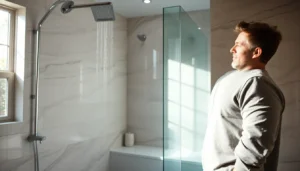
Incorporating tile on an accent wall also adds visual appeal and durability. Kitchen backsplashes or shower walls benefit significantly from this design. Mosaic tiles provide intricate designs, while larger tiles offer a sleek, modern look.
Backlighting can elevate an accent wall further. LED strips or sconces highlight textured surfaces or artwork. This technique adds ambiance and underscores the wall’s unique features.
Consideration of furniture placement and lighting reinforces the impact of an accent wall. Proper alignment can enhance the room’s proportions. Exploring various materials and colors increases creativity and personalization in interior design.
Popular Materials For Accent Walls
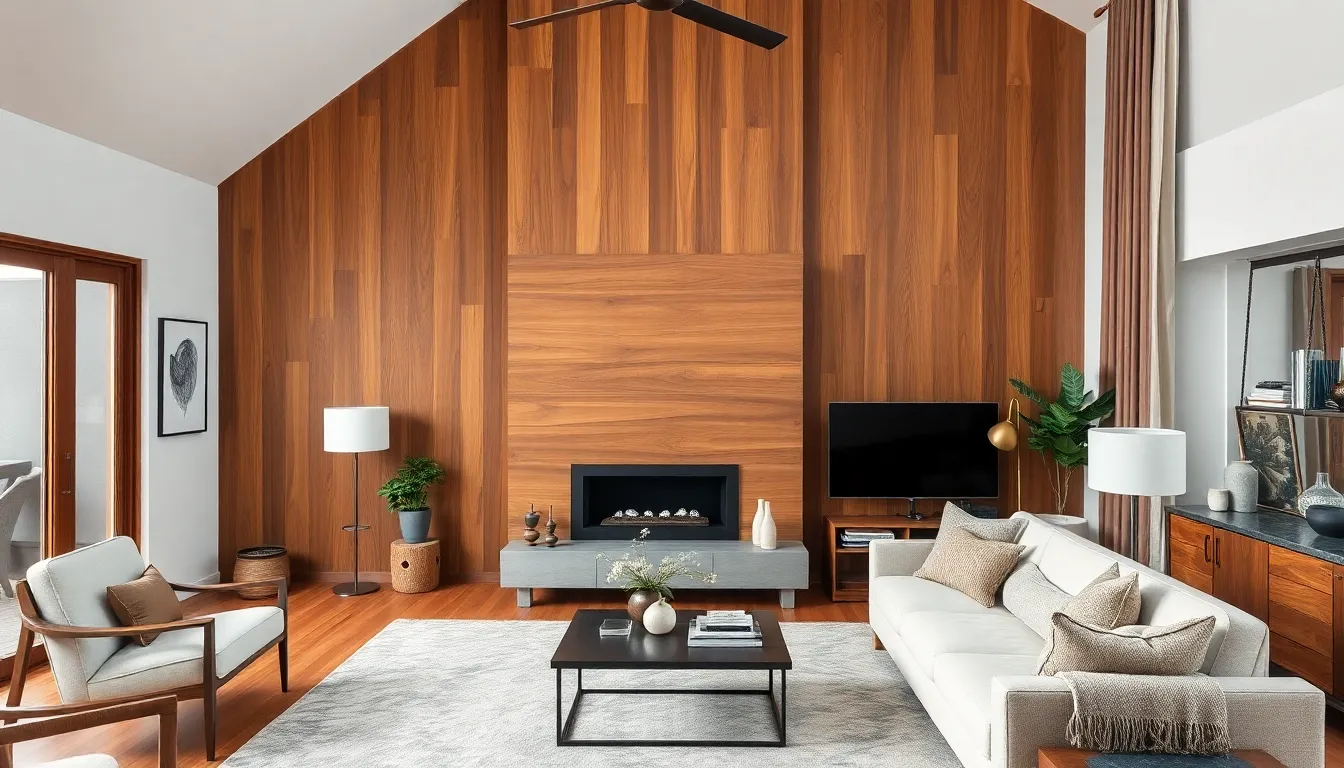
Various materials enhance the design of accent walls. Choices range from natural woods to vibrant paints. Each option provides unique characteristics, creating distinctive focal points in any room.
Wood Panels
Wood panels add warmth and texture to spaces. Options include reclaimed wood for a rustic appeal or sleek plywood for a modern look. Variety exists in finishes, colors, and patterns. Different installation techniques, like shiplap or vertical planks, can create depth and visual interest. They’re ideal for living rooms, bedrooms, and offices, providing a cozy ambiance. Over time, wood ages beautifully, enhancing its charm.
Paint Options
Paint offers flexibility and a wide color range. Users can select bold hues for dramatic effects or soft tones for subtle elegance. Techniques like ombre or geometric patterns add to the visual intrigue of an accent wall. Different finishes, such as matte or glossy, impact the overall appearance and feel. Selecting high-quality paint ensures durability and resistance to fading. Paint can be easily updated, allowing quick and economical design changes over time.
Color Schemes And Patterns
Accent walls thrive on unique color combinations and striking patterns. Designers often use bold hues or subtle designs to create visual interest.
Bold Colors
Bold colors create immediate impact in a room. Shades like deep navy, vibrant red, or emerald green draw the eye and establish a dramatic focal point. These colors work well in living spaces, including kitchens and dining areas. Combining two or three bold shades can add layered depth, enhancing the overall aesthetic. A bright accent wall contrasts effectively against neutral tones, enriching the space while keeping it balanced. This approach allows for easy updates, as changing a single color can revitalize the entire room’s feel.
Subtle Patterns
Subtle patterns provide a different kind of elegance. Textured wallpaper with muted designs like geometric shapes or soft florals can introduce complexity without overwhelming the eye. These designs often complement bold furniture or decor, allowing them to shine. Incorporating textured paint techniques, such as sponging or rag rolling, adds depth to a solid-color wall. This can create interest in bedrooms and home offices where tranquility is essential. Subtle patterns invite creativity, making possibilities endless while ensuring harmony within the space.
Creative Ideas For Accent Walls
Accent walls offer endless opportunities for personal expression in interior design. Here are some creative ideas to enhance different spaces with unique styles.
Living Room Inspirations
Color palettes matter in living rooms. Deep navy, emerald green, or bold red can create striking contrasts. Additionally, combining textures adds visual interest. Consider wooden panels alongside painted surfaces for a dynamic effect. Decorative elements like mirrors or artwork can draw attention to the accent wall. Light fixtures might also accentuate the design. Incorporating wall-mounted shelves with greenery creates a relaxing vibe. Therefore, focusing on the balance between bold and subtle designs enhances the overall aesthetic.
Bedroom Designs
In bedrooms, soft colors or gentle patterns create serene environments. Light shades such as pastel blue or lavender evoke calmness. Textured wallpaper introduces depth, appealing to those who appreciate intricate designs. Wood paneling can add warmth, providing a cozy feel for relaxation. Highlighting the headboard wall with a bold patterned design brings focus to the bed area. Combining layered bedding and statement lamps can further enrich the space. Integrating supportive lighting, such as sconces, creates an inviting ambiance. Every element works together to craft a personalized retreat.
Tips For Choosing The Right Accent Wall
Selecting the right accent wall can significantly enhance a room’s overall aesthetic. Consider the existing color scheme when choosing the hue for the accent wall. Complementary colors can create harmony, while contrasting shades can add excitement. It’s crucial to assess the room’s lighting, as natural and artificial light can influence how colors appear throughout the day.
Evaluate the size of the room and the accent wall. In smaller spaces, lighter colors can make a wall appear larger, while bold colors can bring intimacy. Textured materials, like wood panels or wallpaper, offer visual interest but can overwhelm if not balanced with lighter elements. Identifying the focal point in the room helps determine the best positioning for the accent wall.
Reflect on personal style and the desired mood. For a serene atmosphere, soft pastels may suffice, while vibrant colors create energy. Choose patterns that resonate with the overall theme; geometric designs suit modern aesthetics, whereas floral patterns complement traditional styles.
Ensure the accent wall integrates with existing furniture and decor. Matching colors or styles creates a cohesive look, while mismatched elements can clash visually. Lastly, consider the purpose of the room. Functional spaces, such as kitchens or home offices, may benefit from more durable materials like tile or paint that withstand wear and tear. Making these thoughtful choices leads to a successful accent wall design that transforms any space.
Accent walls offer an exciting way to enhance any room’s aesthetic. By selecting the right colors and materials, individuals can create a striking focal point that reflects their personal style. Whether opting for bold paint, textured wallpaper, or warm wood paneling, each choice plays a crucial role in transforming a space.
The flexibility of accent wall designs allows for creativity and easy updates over time. With thoughtful consideration of room size and existing decor, anyone can achieve a cohesive look that elevates the overall ambiance. Ultimately, accent walls are not just about making a statement; they’re about crafting an environment that resonates with comfort and individuality.