When the chill of winter sets in and the boiler starts acting like a drama queen, it’s time to take action. A well-maintained boiler not only keeps the home cozy but also saves money in the long run. Ignoring those ominous gurgles and groans could lead to a meltdown—literally.
The Importance of Boiler Repair and Maintenance
Regular boiler repair and maintenance play a crucial role in ensuring efficient operation. Performing routine checks helps identify potential issues before they escalate. Early detection of problems like unusual noises can prevent costly breakdowns and repairs.
In addition to reducing costs, a well-maintained boiler enhances energy efficiency. Studies indicate that regular maintenance can increase a boiler’s efficiency by up to 15%. Improved efficiency leads to lower energy bills and a reduced carbon footprint.
Safety is another key aspect tied to boiler maintenance. Boilers that aren’t serviced may develop significant hazards, such as gas leaks or carbon monoxide buildup. Ensuring that the system is functioning properly protects occupants from these risks.
Moreover, maintenance extends the lifespan of the boiler. Most boilers reach their lifespan potential with regular servicing, generally lasting around 15 to 20 years. Neglecting this can result in premature failures, leading to expensive replacements.
Access to warranties often depends on maintenance schedules as well. Many manufacturers require proof of routine check-ups to validate warranty claims. Following a regular maintenance plan aligns with these expectations, providing peace of mind.
Lastly, scheduling professional inspections is essential. Regular professional assessments ensure boilers operate safely and efficiently. Investing in boiler repair and maintenance protects not only financial interests but also the health and safety of the household.
Common Boiler Issues
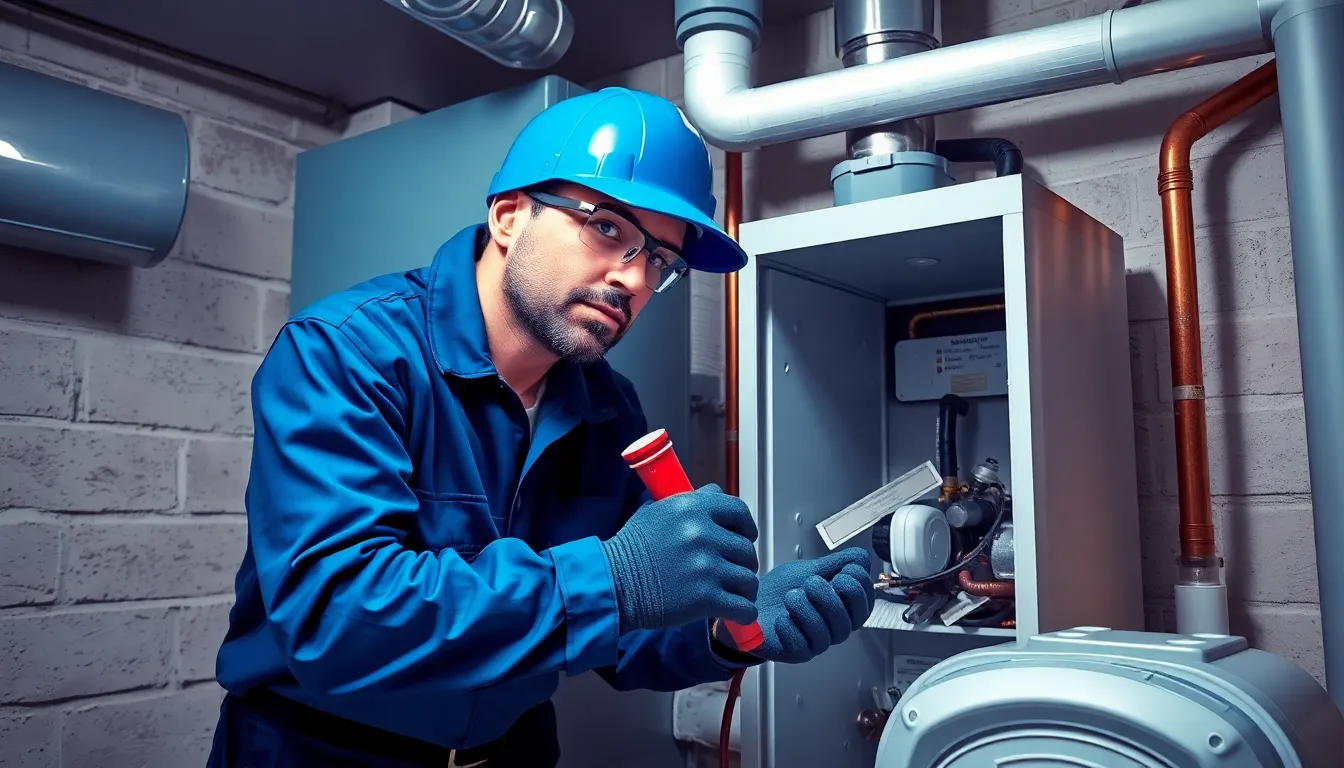
Boiler issues can manifest in various ways, often indicating the need for repairs. Early detection can prevent costly damages and ensure safe operation.
Signs You Need Boiler Repair
Unusual noises from the boiler often signal a problem. Gurgling sounds might indicate trapped air, while banging or clicking noises could point to other mechanical failures. Leaks or puddles near the boiler are clear signs of trouble. A decrease in heating efficiency can also suggest components requiring attention. If the pilot light extinguishes frequently, this points toward potential gas line issues. Additionally, damp or discolored walls near the boiler might indicate hidden leaks. Regular monitoring of these signs facilitates timely repairs.
Potential Risks of Neglecting Maintenance
Neglecting boiler maintenance can lead to serious safety issues. Gas leaks pose immediate dangers, potentially resulting in fires or explosions. Carbon monoxide buildup represents a significant health hazard. Improperly maintained boilers often lose efficiency, leading to increased energy bills by 10 to 30%. Accumulated debris may cause overheating, risking boiler failure. Regular maintenance avoids these risks and ensures dependable operation. Ignoring signs of trouble can shorten the lifespan of the boiler, leading to replacement costs sooner than expected. Prioritizing routine checks helps protect both health and finances.
Routine Maintenance Practices
Regular maintenance keeps a boiler functioning efficiently and safely. Adopting a few key practices can prevent costly repairs and enhance performance.
Cleaning and Inspection
Cleaning and inspection play a vital role in boiler maintenance. Technicians should regularly remove dust and debris from the boiler, filters, and vents to prevent overheating. Inspecting all components, such as pipes and valves, helps identify wear and tear early. Observing the system for leaks can prevent serious water damage. It’s essential to check the pressure gauge to ensure it operates within the recommended range. Neglecting these practices increases the risk of breakdowns and safety hazards, such as gas leaks.
System Testing and Calibration
System testing and calibration ensure optimal boiler performance. It’s necessary to test safety controls and emergency shut-off switches to verify they function correctly. Calibrating the thermostat guarantees accurate temperature readings for consistent heating. When technicians check burner operation, they confirm proper fuel combustion. Assessing the overall system efficiency allows identification of adjustments to enhance performance. Regular testing can lead to significant energy savings and improved safety for occupants.
Professional vs. DIY Boiler Repair
Deciding between professional assistance and DIY repairs can be challenging. Each approach has its advantages and considerations.
When to Call a Professional
Calling a professional becomes essential when issues exceed basic problems. Unusual noises, leaks, or decreased heating efficiency often indicate underlying issues that require expert intervention. Professionals possess certifications and training to handle complex repairs safely. Warranty requirements also dictate that certain repairs must be completed by licensed technicians. Professionals offer assurance that repairs meet local codes and standards, further enhancing safety. The peace of mind gained from using a professional often outweighs the costs involved, particularly when considering the potential for more expensive damages caused by improper repairs.
Safety Considerations for DIY Repairs
Safety holds paramount importance during any DIY boiler repair. First, individuals should always turn off the power and gas supply before starting work. Familiarity with the installation manual is crucial, as it provides essential guidelines and operational specifics. Pressure relief valves must be handled with care to avoid injury. Understanding the location of shut-off valves can prevent gas leaks or further complications. Additionally, using proper tools reduces the risk of accidents. If there’s any doubt about the procedure, seeking help from a professional remains advisable, as certain repairs involve dangerous elements, such as high temperatures and gas lines.
Cost of Boiler Repair and Maintenance
Costs for boiler repair and maintenance vary widely based on several factors, including the type of boiler, complexity of the issue, and the region. Average repair costs typically range from $150 to $800, depending on the severity of the problem. Regular maintenance often costs between $100 and $300 annually, a small investment compared to potential repair bills.
High-efficiency boilers might incur additional maintenance costs due to specialized parts and services, which can reach up to $1,000 for extensive repairs. Costs can increase significantly if components like heat exchangers need replacement, priced at several hundred dollars. A thorough inspection may catch these issues early, saving money in the long run.
Prioritizing routine maintenance helps prevent unforeseen repairs. Scheduling inspections every year keeps the boiler operating optimally, often leading to energy savings ranging from 5% to 15%. Delaying maintenance could result in increased energy bills and higher repair costs later.
Using professional services often adds to the initial expense, but it ensures adherence to safety standards and compliance with local codes. Opting for DIY repairs may save money upfront but carries risks, particularly with complex issues like gas leaks. If repairs involve the ignition system or significant modifications, professional assistance guarantees safety and reliability.
Budgeting for boiler maintenance promotes long-term savings and efficiency. Investing in regular servicing not only extends the boiler’s lifespan, typically 15 to 20 years, but also enhances home safety by reducing risks like gas leaks and carbon monoxide buildup. Thus, allocating funds for maintenance acts as a proactive approach to ensuring reliable boiler performance.
Maintaining a boiler is essential for ensuring a safe and efficient home environment. Regular inspections and timely repairs not only extend the lifespan of the boiler but also enhance energy efficiency and reduce costs. Homeowners should be vigilant for signs of trouble and prioritize professional assistance when needed. By investing in routine maintenance, they can avoid costly breakdowns and ensure their heating system operates smoothly throughout the winter months. Ultimately, a well-maintained boiler contributes to a safer home and promotes long-term savings on energy bills.