Table of Contents
ToggleWater stains spreading across your ceiling? Drips landing in a bucket at 2 a.m.? A leaky roof doesn’t wait for a convenient time to show up. Whether it’s a missing shingle after a storm or a slow seep you’ve been ignoring, roof leaks demand action, and fast. Left unchecked, they lead to rotted sheathing, mold growth, and structural damage that’ll cost far more than the initial fix. This guide walks homeowners through spotting the warning signs, vetting local contractors, understanding repair costs, and knowing when to call for emergency help versus handling a temporary patch yourself.
Key Takeaways
- Water stains, missing shingles, sagging rooflines, and attic mold are clear warning signs that you need professional leaky roof repair to prevent costly structural damage.
- When searching for leaky roof repair near me, verify contractor licensing, insurance, certifications, and references—get multiple written estimates and check reviews before hiring.
- Minor roof repairs cost $150–$400, moderate fixes run $400–$1,000, and major repairs with structural damage exceed $1,000, plus emergency service premiums for urgent calls.
- Heavy water intrusion during storms, exposed sheathing, sagging ceilings, and leaks near electrical panels require immediate professional help to prevent safety hazards and extensive damage.
- Temporary DIY measures like tarping, roofing cement, and interior bucket placement can limit damage while waiting for professional repair, but they are not permanent solutions.
Signs You Need Professional Leaky Roof Repair
Not every roof issue announces itself with a dramatic indoor waterfall. Some leaks are sneaky, doing damage long before you notice a puddle. Here’s what to watch for:
Water stains on ceilings or walls. Yellow or brown rings are your first clue. Even if they’re not actively wet, moisture has been present, and likely still is during rain.
Curling, cracked, or missing shingles. Walk around your property and inspect the roofline. Damaged shingles let water infiltrate underlayment and sheathing. Wind, hail, and age are common culprits.
Granules in gutters. Asphalt shingles shed their protective granule coating as they age. If your gutters look like they’re filled with coarse sand, your roof is nearing the end of its lifespan.
Sagging roof deck. Stand back and look at the roofline. A dip or sag indicates water-soaked sheathing, a structural concern that needs immediate attention.
Mold or mildew smell in the attic. Musty odors mean moisture is present. Check attic insulation for damp spots or visible mold growth.
Daylight through roof boards. If you can see sunlight through your attic roof, water can get in just as easily.
When you spot any of these signs, it’s time to call a pro. Roof work is inherently risky, and diagnosing the true source of a leak often requires experience. According to Bob Vila, even small leaks can cause thousands in hidden damage if left untreated. Don’t wait until a minor repair becomes a full roof replacement.
How to Find Qualified Roof Repair Contractors in Your Area
Searching “leaking roof repair near me” will flood you with options, but not all roofers are created equal. Here’s how to narrow the field and hire someone trustworthy.
Start with local licensing and insurance. Every roofer should carry liability insurance and workers’ comp. Ask for proof. In most jurisdictions, roofing work above a certain dollar threshold requires a contractor’s license. Verify it through your state’s licensing board.
Check online reviews and references. Look beyond star ratings. Read detailed reviews on platforms like Angi to see how contractors handle problems, delays, or warranty claims. Ask the roofer for references from jobs completed in the last year and actually call them.
Get multiple written estimates. Three is the sweet spot. Estimates should itemize labor, materials (shingle type, underlayment, flashing), and timeline. Be wary of bids that are way lower than others, it often signals cut corners or surprise charges later.
Look for manufacturer certifications. Many shingle manufacturers (GAF, CertainTeed, Owens Corning) certify contractors who meet training and quality standards. Certified contractors often offer better warranties.
Ask about permits. Depending on your area and scope of work, a permit may be required. A reputable contractor will handle permitting and inspections.
Questions to Ask Before Hiring a Local Roofer
Before signing a contract, get answers to these questions:
- How long have you been in business locally? Established roofers are easier to hold accountable.
- What’s your warranty policy? Separate the workmanship warranty (typically 1–10 years) from the material warranty (often 20–50 years).
- Who will be on-site? Some companies subcontract the actual work. Know who’s climbing your roof.
- What’s your timeline? Weather-dependent work can shift, but you should get a realistic start and completion window.
- How do you handle unexpected damage? Rotted sheathing or truss issues can surface once shingles are off. Agree on a change-order process upfront.
- Do you carry a business license and insurance? Ask to see certificates, and verify them independently.
A professional roofer won’t pressure you to sign on the spot or demand full payment upfront. Standard practice is a deposit (usually 10–25%) with the balance due upon satisfactory completion.
What to Expect During a Leaky Roof Repair Service
Understanding the repair process helps you spot quality work and avoid getting taken for a ride.
Initial inspection. The contractor will examine your roof from the outside and inside (attic). They’ll trace the leak, water often travels along rafters or sheathing before dripping down, so the exterior damage may be feet away from the interior stain.
Material selection. For shingle repairs, the roofer should match your existing shingles as closely as possible in color and style. If your roof is older, exact matches may not be available. Discuss options.
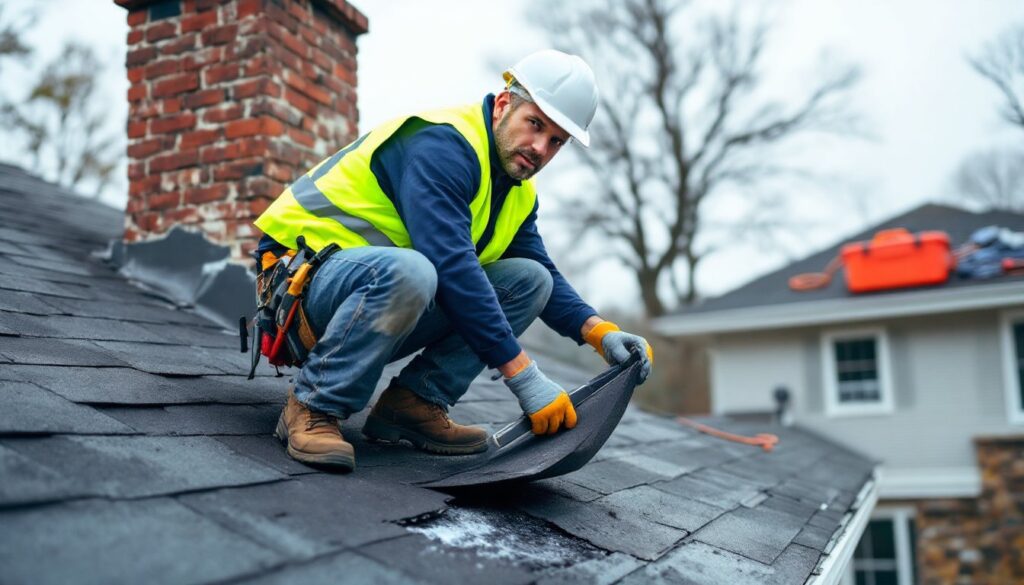
Tear-off and replacement. Small repairs might only involve replacing a few shingles and resealing flashing. Larger leaks may require removing several courses of shingles, replacing damaged underlayment (the water-resistant barrier beneath shingles), and possibly replacing sections of sheathing (the plywood or OSB deck).
Flashing repair. Leaks often occur around chimneys, vents, skylights, and valleys where flashing (metal or rubberized material) seals joints. Properly installed step flashing should weave between shingles and siding: counter flashing on chimneys should be embedded in mortar joints. Roofers sometimes cut corners here, watch for sealant-only “repairs” that won’t last.
Ventilation check. A good roofer will assess attic ventilation. Poor ventilation traps heat and moisture, shortening roof lifespan and promoting mold. Ridge vents, soffit vents, and gable vents work together to keep air moving.
Cleanup and inspection. Expect the crew to use tarps and magnetic rollers to collect nails. A final walkthrough ensures the repair is solid and your property is clean.
Most leak repairs take a few hours to a full day, depending on complexity and weather. If structural repairs are needed (rotted trusses, extensive sheathing replacement), the timeline and cost grow significantly. That’s why catching leaks early matters.
Average Costs for Local Roof Leak Repairs
Pricing varies widely based on location, roof pitch, material, and damage extent. Here’s a rough breakdown for 2026:
Minor shingle repair: $150–$400. Replacing a handful of shingles and resealing flashing. Quick job, minimal materials.
Moderate leak repair: $400–$1,000. Involves replacing underlayment, multiple shingles, and possibly some flashing work. May require a section of sheathing if water damage is present.
Major repair with structural work: $1,000–$3,000+. Rotted sheathing, truss damage, or extensive flashing replacement. If more than 30% of the roof is compromised, a full replacement may be more cost-effective.
Emergency service: Add $100–$300 for after-hours or storm-response calls. When you need a tarp installed at midnight, you’ll pay a premium.
Flat roof repairs: Slightly different pricing. Expect $300–$800 for patching EPDM, TPO, or modified bitumen membranes. Flat roofs often leak at seams and penetrations.
Costs also depend on roof pitch (steeper = harder to work = higher labor) and height (two-story homes cost more than single-story ranch). Urban areas typically run 10–20% higher than rural markets. For planning purposes, many homeowners use HomeAdvisor to compare local estimates and understand regional pricing trends.
Get everything in writing. A detailed contract protects both parties and gives you recourse if the work isn’t done right.
Emergency Roof Repair: When to Call for Immediate Help
Some leaks can wait a few days. Others can’t. Here’s when to pick up the phone right now:
Active, heavy water intrusion during a storm. If water is pouring in and damaging insulation, drywall, or electrical fixtures, you need emergency tarping or temporary patching to limit damage.
Structural compromise. A sagging ceiling, visible roof deck deflection, or cracking sounds mean structural components are failing. Evacuate the area and call a professional immediately.
Storm damage with exposed sheathing. Missing shingles that expose bare plywood or underlayment invite rapid water infiltration. Even a few hours of rain can soak sheathing and insulation.
Leaks near electrical panels or wiring. Water and electricity don’t mix. If a leak is dripping near your main panel, breaker box, or visible wiring, shut off power to that area if safe and call an emergency roofer.
Post-disaster scenarios. After hurricanes, tornadoes, or severe hailstorms, roofing contractors get slammed. Call early to get on the schedule. Be cautious of storm chasers, out-of-state contractors who follow disasters, do quick (often shoddy) work, and disappear. Stick with local, licensed pros.
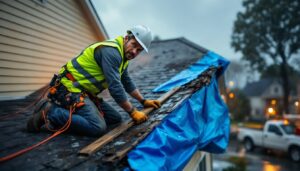
Many reputable roofing companies offer 24/7 emergency services. They’ll typically install a heavy-duty tarp secured with battens and fasteners to keep water out until permanent repairs can be scheduled. This isn’t a permanent fix, it’s a stopgap, but it prevents further damage.
Document everything for insurance: take photos and videos of the damage, the leak source, and any emergency measures. Keep receipts for all work.
Temporary DIY Fixes While Waiting for Professional Repair
If you’ve got a minor leak and your contractor can’t get there for a few days, here are safe, temporary measures you can take. These are not permanent solutions, just ways to minimize damage until the pros arrive.
Interior containment: Place buckets or tarps under active drips. Move furniture, electronics, and valuables out of the affected area. If water is pooling on a ceiling, poke a small hole in the lowest spot with a screwdriver to release it in a controlled way (sounds counterintuitive, but it prevents a ceiling collapse).
Tarp the roof (if safe): If you’re comfortable on a ladder and the pitch isn’t steep, you can lay a polyethylene tarp (at least 6 mil thick) over the damaged area. Extend it past the leak zone by several feet on all sides. Anchor it with 2×4 battens or sandbags, never use nails or screws that will create new penetration points. Only attempt this in dry, calm conditions. If the roof is steep, high, or wet, don’t risk it.
Apply roofing cement (for accessible leaks): If you can safely reach the leak area, say, around a chimney or vent, brush away debris and apply roofing cement or a rubberized sealant around the flashing. This is a band-aid, not a cure, but it buys you time.
Clear gutters and downspouts. Clogged gutters force water to back up under shingles. Clearing them reduces pressure on vulnerable spots.
Safety first. Wear non-slip shoes with good tread, use a stable ladder on level ground, and never work alone. Roofs are the leading cause of fall injuries in home maintenance. If conditions are unsafe or you’re uncomfortable with heights, wait for the professionals. For more extensive home repair needs, local repair services can often connect you with trusted contractors quickly. In some cases, charitable organizations may assist low-income homeowners with urgent repairs.
Temporary fixes are about damage control, not pride. Get the pros in as soon as possible to do it right.